
Two Public Records Systems in Union County
New Jersey does not run one master records law. Government records held by public agencies follow the Open Public Records Act, known as OPRA, found at N.J.S.A. 47:1A-1 et seq. Court case records follow New Jersey Court Rule 1:38 instead. The split matters. A land deed at the County Clerk is an OPRA record. A Superior Court case jacket is a court record under Rule 1:38. Each has its own request form and its own appeal path.
OPRA opens most agency records, defines what counts as a record, lists exemptions, and creates a way to challenge a denial. It replaced the old Right to Know Law and was amended several times, including major 2024 changes, so always check current guidance.
OPRA in New Jersey
OPRA gives the public a right to inspect and copy government records, with set exceptions. The Government Records Council oversees the law and posts the statute text and exemptions. The standard response time is short, usually seven business days, unless an exception or extension applies. A custodian must point to a lawful reason to deny a record.
The Government Records Council OPRA page publishes the act text and its exemptions.
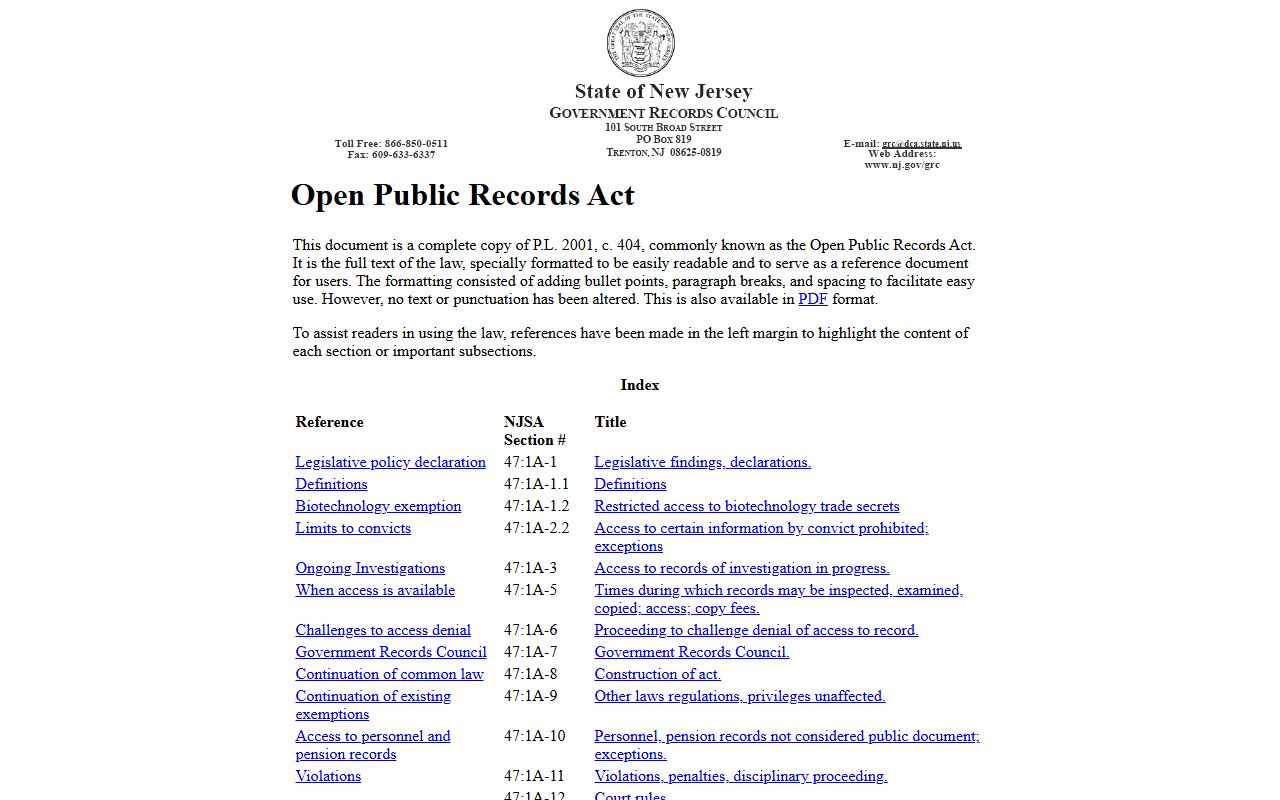
The state Department of Community Affairs also keeps an OPRA overview with request links for the public.
See the NJ Department of Community Affairs OPRA page for a plain overview and forms.
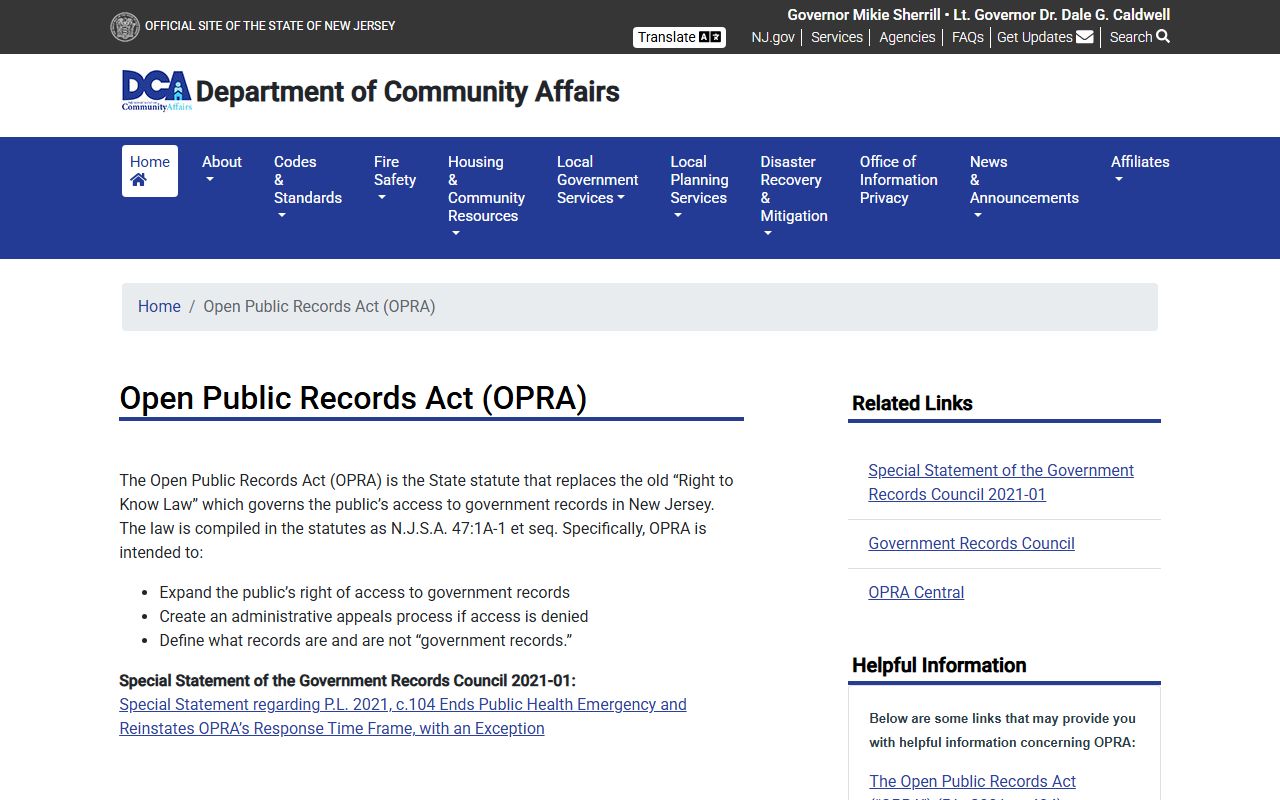
Both sources help you frame a request that an agency can answer without delay.
How to File a Union County Public Records Request
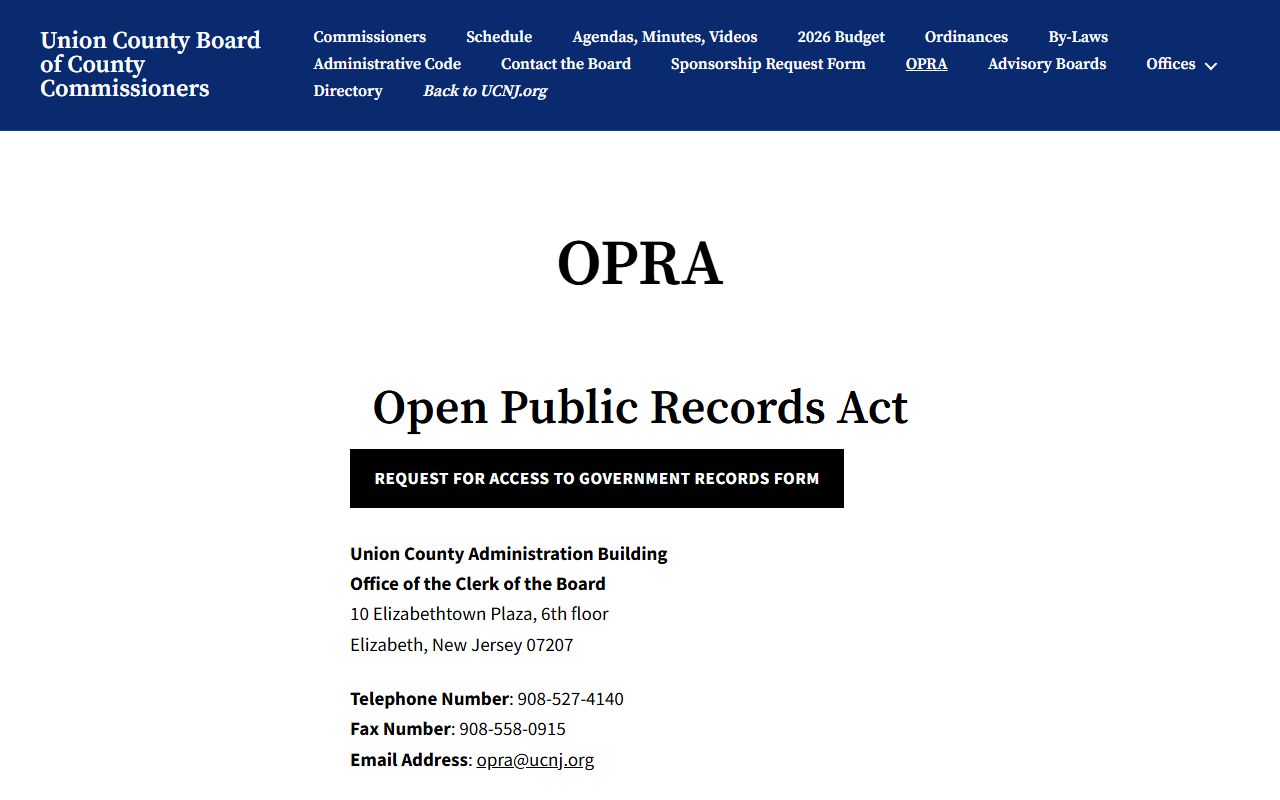
Union County takes OPRA requests through the Clerk of the Board's office. You name the records you want, as clearly as you can, and submit the request to the custodian. A precise request gets a faster, cheaper answer than a broad one.
The county's OPRA request page is the place to start a county records request.
Court records, by contrast, go through the NJ Courts records request process, not OPRA.
- Decide whether you want a government record (OPRA) or a court record (NJ Courts).
- For a county record, use the Clerk of the Board's OPRA request page.
- Describe the records by date, type, and office to narrow the search.
- Submit the request and note the response deadline.
- If denied, use the appeal path described below.
OPRA Fees and Appeals
OPRA fees are generally the actual cost of copying or duplication. A large or unusual request can carry a special service charge for the extra staff time. If an agency denies a request, you are not stuck. Under N.J.S.A. 47:1A-6, you can file with the Government Records Council or in Superior Court, and the agency must prove the denial was lawful.
The Government Records Council FAQ explains fees, timelines, and the appeal process.
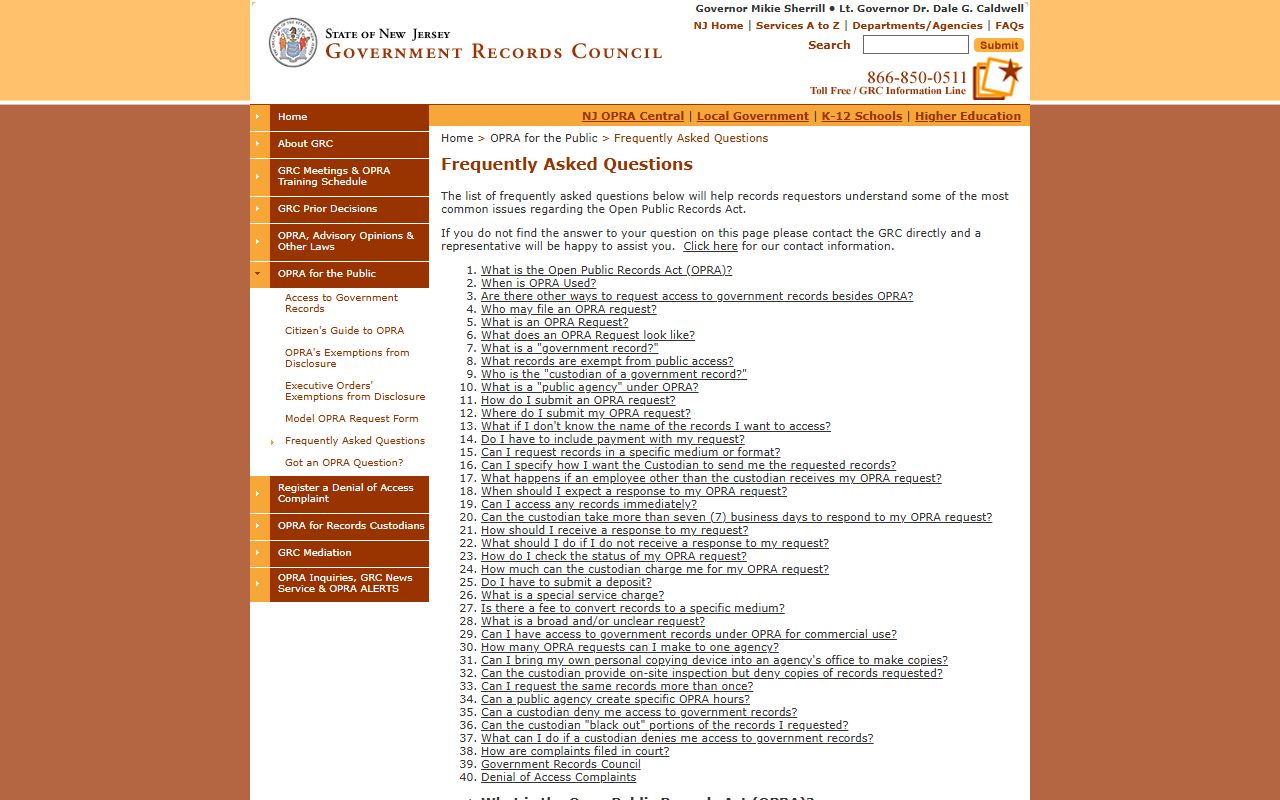
The GRC route is free and does not require a lawyer, which makes it the common first step after a denial. Because OPRA changed in 2024 after statewide debate, the exact response timing and fee rules can differ from older guidance, so confirm the current rule before you rely on a deadline. The request always goes to the agency that holds the record, called the custodian, not to a central state office.
Court Records vs. Government Records
The two record types behave differently. Court records sit in the NJ Courts systems and follow Rule 1:38, which presumes access and lists exclusions. Civil case jackets, for example, are searched through the public eCourts portal. Government records sit with agencies and follow OPRA. Sending an OPRA request for a court file, or a court request for an agency record, slows everything down.
Civil case files are reached through the public eCourts Civil Case Jacket portal.
For the full court-record walkthrough, see the court records page.
What the County Clerk Keeps
Many Union County public records live with the County Clerk, not the courts. The Clerk records and files land transactions for the county's 21 municipalities. It also handles passports, elections, business and trade names, notary services, and veteran ID cards. Those records are searchable through the Clerk's public land records portal and follow OPRA, not court rules.
The Clerk also runs a Property Fraud Alert program and supports Daniel's Law. Details and search tabs are covered on the Union County Clerk page.
Daniel's Law and Property Fraud Alert
Two privacy programs run through the county records system. Property Fraud Alert lets a property owner register to get a notice when their name is used in a recording, which helps catch deed fraud early. Owners can register online or by phone, and a common name may trigger more than one alert. The Clerk advises anyone who gets an alert to review the records and report anything suspicious to local police.
Daniel's Law protects certain public servants, such as judges, prosecutors, and officers, by removing their home address and phone number from public records. The program is free for Union County property owners. Once the State confirms a registration, the County Clerk's office is notified to remove that personal information from county records. Both programs balance open records against real safety concerns.
Redactions and Confidential Records
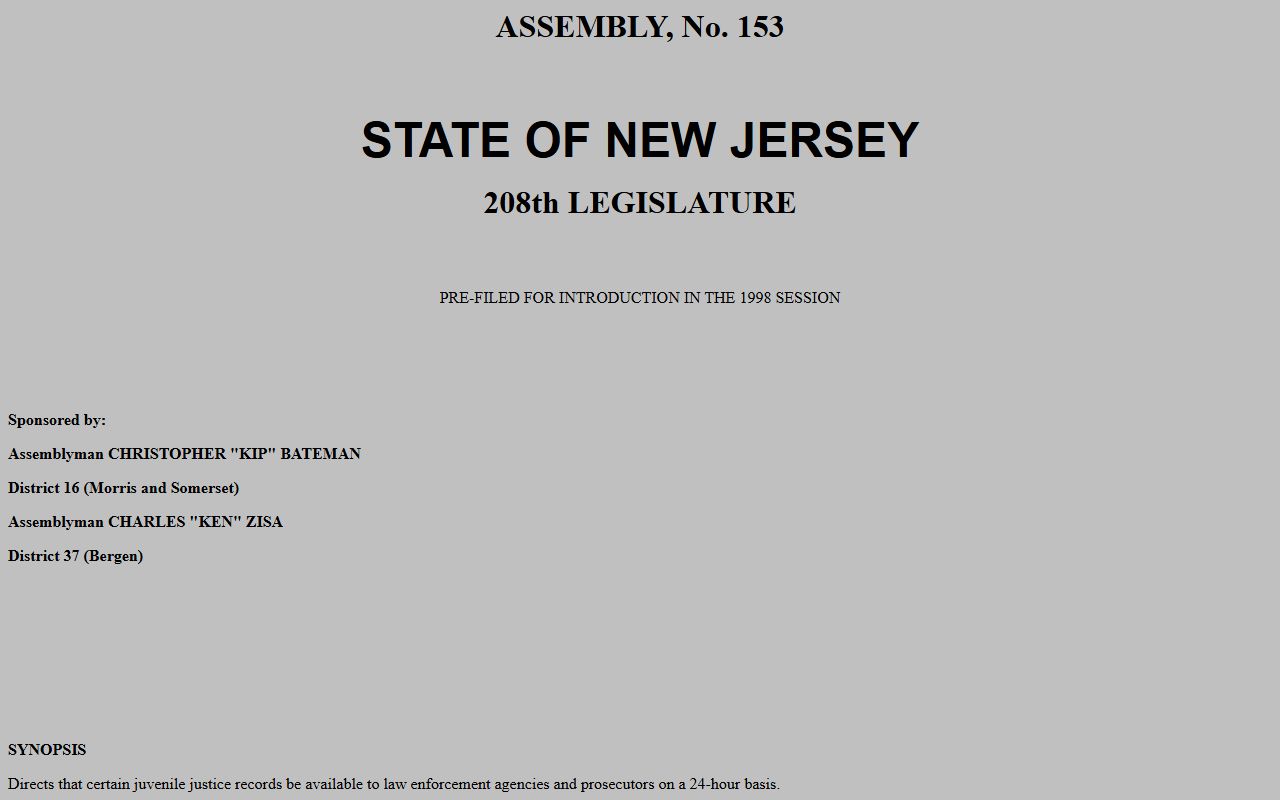
Open does not mean everything. Both systems redact or close certain data. Personal identifiers like Social Security and account numbers are removed. Whole categories are closed by statute. Juvenile records are safeguarded under N.J.S.A. 2A:4A-60, which keeps juvenile court, police, social, and medical records out of public view.
The juvenile safeguard text appears in official legislative text quoting C.2A:4A-60.
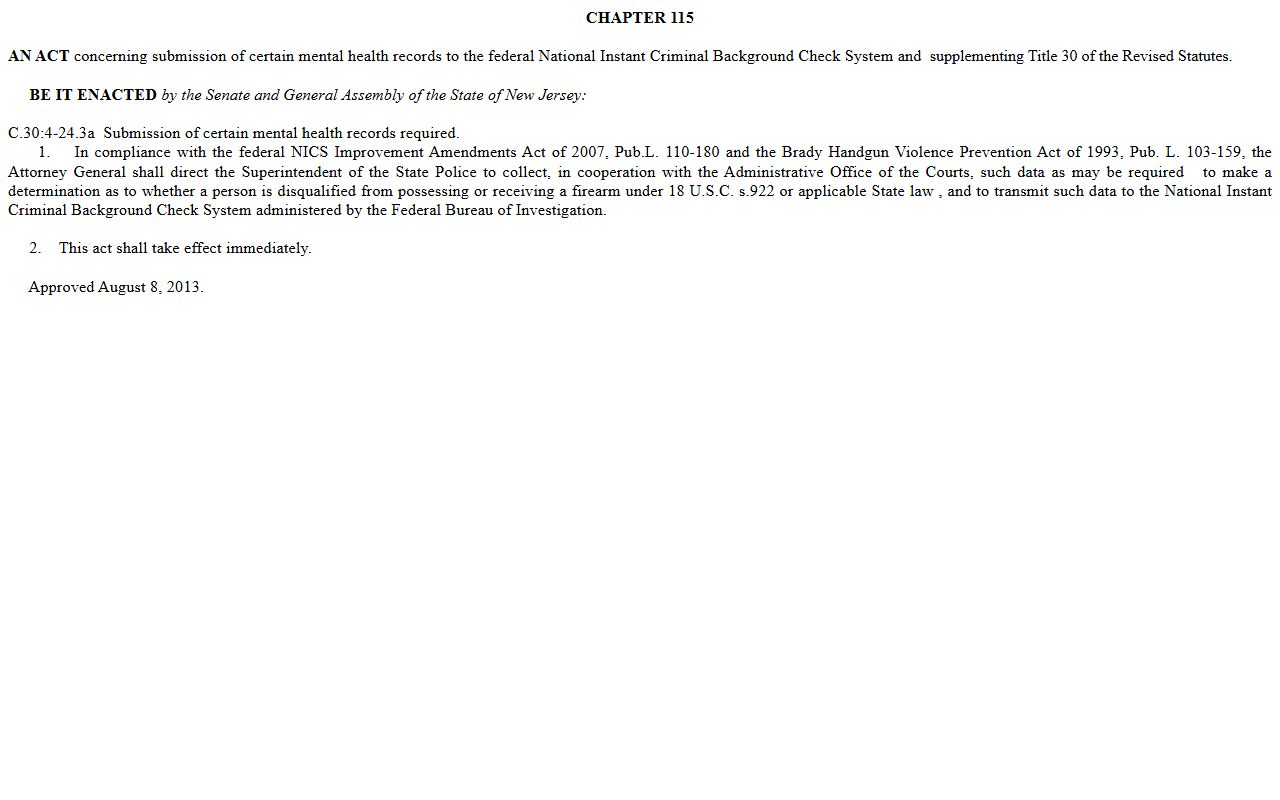
Mental health records carry their own protection. Records that identify current or former service recipients are confidential, with separate firearm-reporting duties.
That framework appears in Public Law 2013, c.115, tied to N.J.S.A. 30:4-24.3a.
Adoption records, grand jury material, and sealed documents are also closed unless a court orders otherwise. Court Rule 1:38 is the master list for court records. It starts from a presumption of access, then names the categories that stay closed and the personal identifiers that must be removed. A specific subsection, Rule 1:38-3, lists the excluded categories, such as certain family, juvenile, and medical materials. When a record is sealed by court order, a party usually must file a motion to unseal it.
Divorce and Family Records Access
Family records are the most restricted court files. Divorce documents are released only to a party or the attorney of record. A party requester must show valid state ID, and anyone else needs a court order directing release. So a stranger cannot pull a Union County divorce file the way they might pull a civil case jacket.
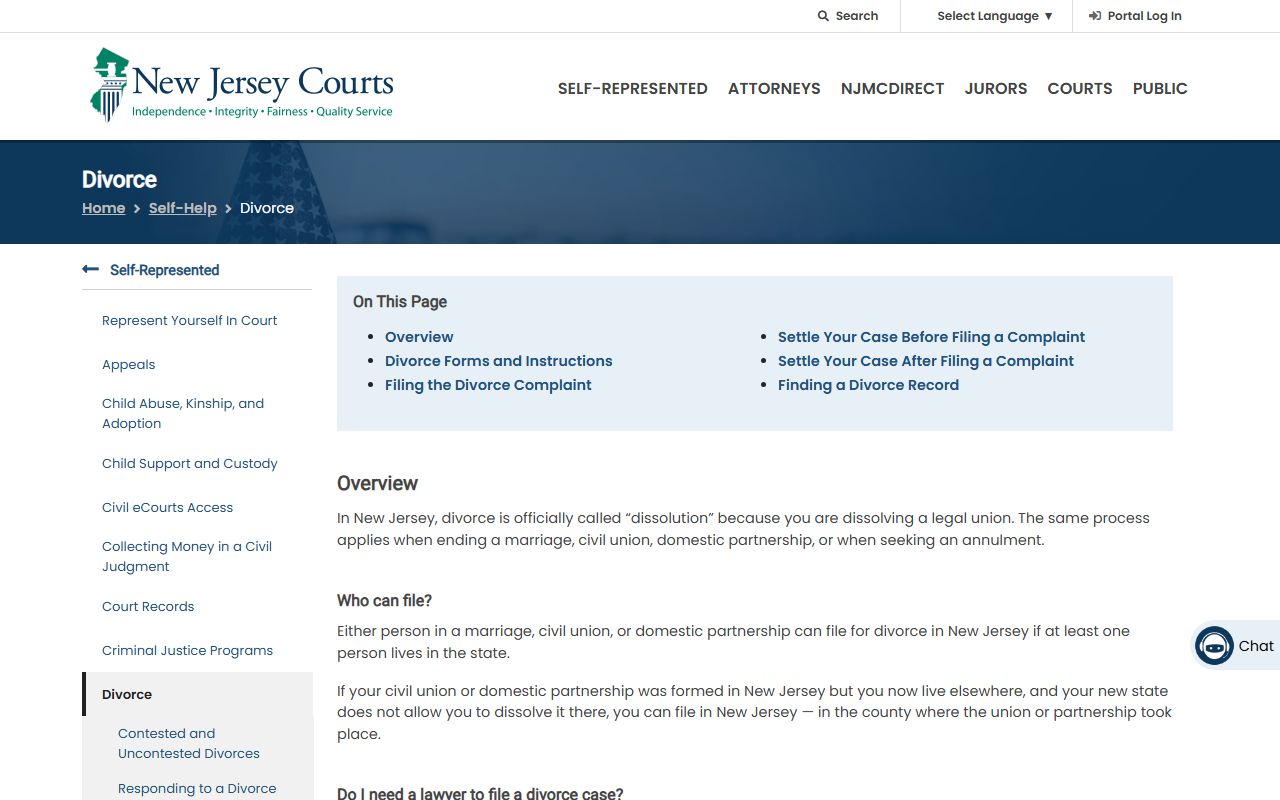
NJ Courts keeps a divorce self-help hub with the process and forms.
See the NJ Courts divorce self-help page for filing and records guidance.
More on this sits on the marriage and divorce records page.
Who Uses Union County Public Records
Union County is dense, diverse, and commuter-heavy. The 2020 census counted 575,345 residents, with a 2025 estimate of 601,863, across about 103 square miles. A third of residents are foreign-born. That profile shapes records access: requests often need interpreter support, and many users are renters, homebuyers, or small-business owners checking deeds, liens, and trade names.
The county profile comes from U.S. Census QuickFacts for Union County.
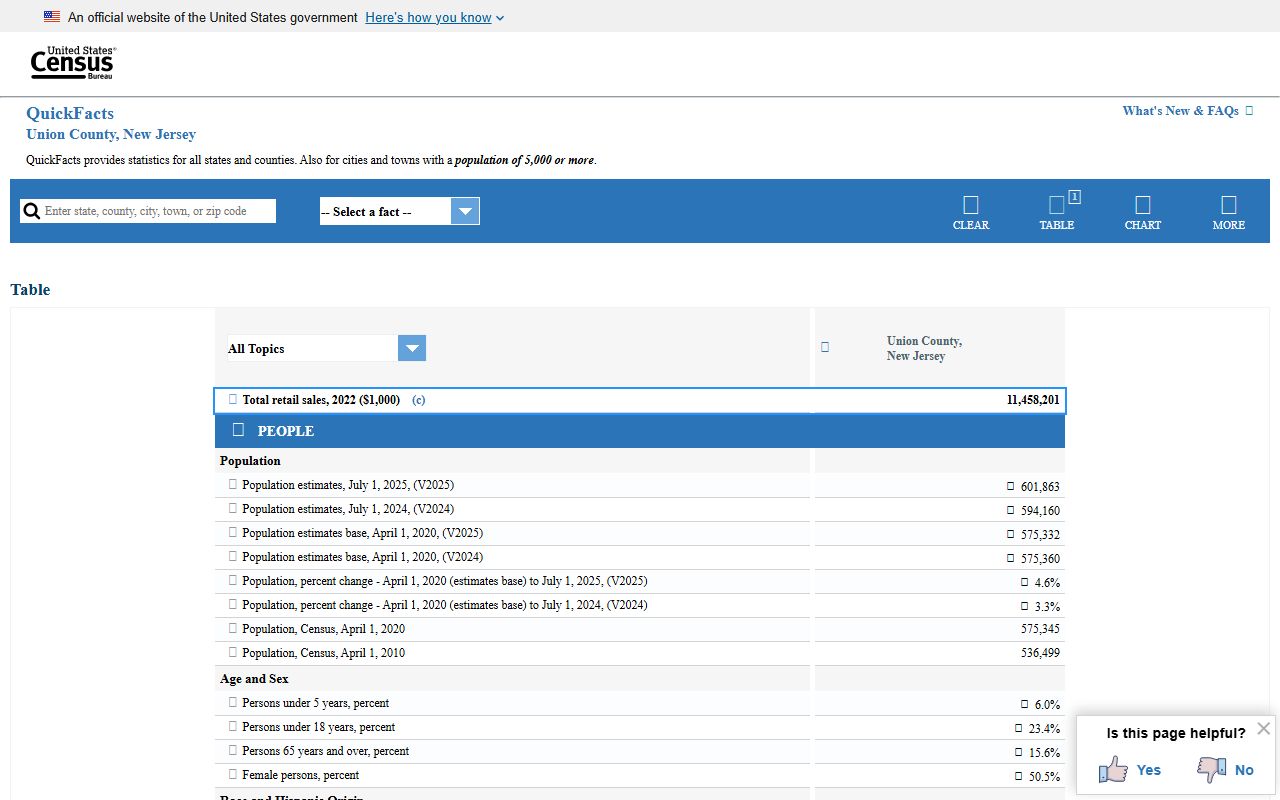
Those numbers also frame why open records matter locally, since so many residents interact with county recording and court services.
Legal Aid for Records Problems
If a records problem ties into a legal issue, help is available. Legal Services of New Jersey offers civil legal aid screening through a statewide hotline. Its companion site gives plain-language guidance on expungement, housing, family law, public benefits, and consumer topics, which often involve public records.
Statewide civil legal aid runs through Legal Services of New Jersey.
For self-help legal information, the LSNJ Law site is a good first read.
See LSNJ Law for plain-language guides on records and legal rights.
The LSNJ hotline is 1-888-576-5529, which can screen whether a civil legal problem qualifies for free help. The New Jersey State Bar Association also runs a lawyer referral service for people who need a private attorney rather than legal aid. Picking the right resource early saves time, since a records dispute often turns on a deadline.